-
Floor 1-2, Building 4, No.1628 Lizheng Road, Lingang New Zone, Shanghai
Floor 1-2, Building 4, No.1628 Lizheng Road, Lingang New Zone, Shanghai
The Basics of Magnetic Shaft Couplings
The magnetic shaft coupling is a ground-breaking way to connect rotating parts of the machine without any physical link. This method has many benefits in terms of safety, maintenance, efficiency and Cost-effectively. Now, let us dig a little more into the realm of magnetic shaft couplings and understand them better.
The key advantage of magnetic shaft couplings is the ability to deliver torque from one rotating shaft to another, without direct contact. It also provides significant benefit while working with viscous fluids or for situations where access to rotating parts is difficult like in chemical processing or medical equipment applications. Magnetic couplings can save considerable maintenance costs and machine downtime by removing the need for a mechanical seal. Additionally, these couplings are customizable to run at different speeds and torques for very versatile applications.
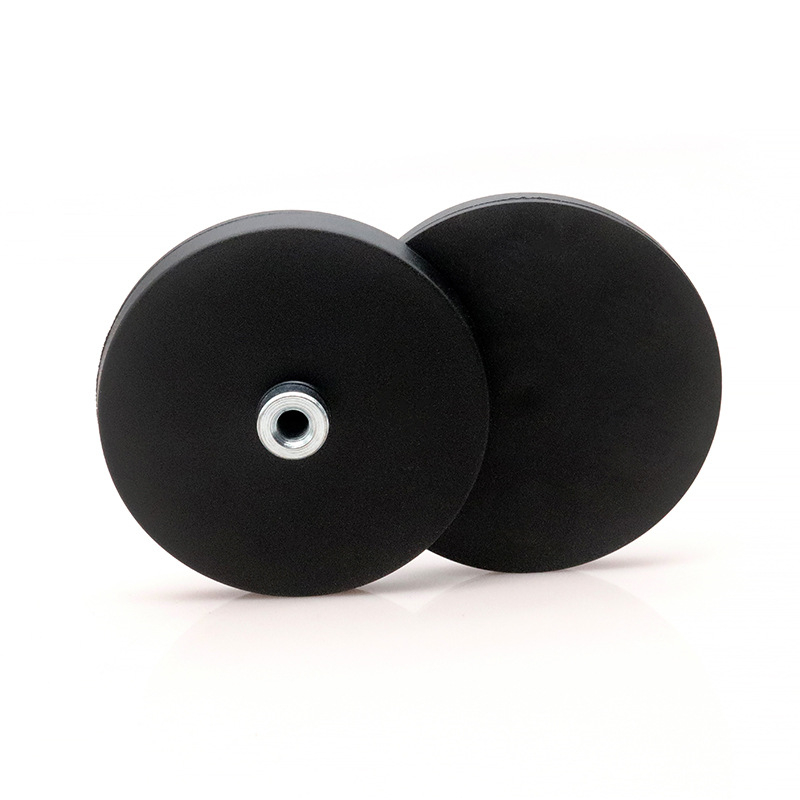
New shaft technology (NdFeB) -Magnetic couplings are a more recent innovation and only materialized in the last couple of years. As materials progressed, these CVTs found their way into the aerospace sector where they made it easier to transfer torque from jet engines to generators. Since then this technology has been embraced by different industries such as petrochemical, pharmaceutical (Figure 1) - especially in sterile environments or power generation. As technology progresses, magnetic shaft couplings will only continue to be more efficient and reliable.
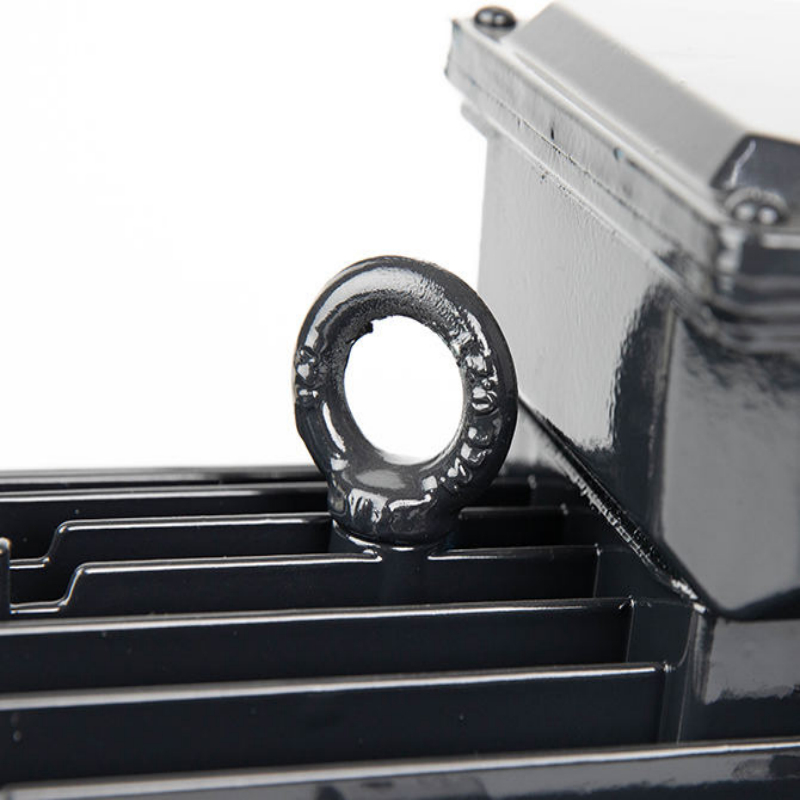
Magnetic Shaft CouplingSafety on Rotating Equipment Traditional physical couplings are less safe than magnetic shafts. These couplings keep the rotating components spaced apart and avoids contact of fluids with atmosphere. Its innovative design makes it ideal for situations where dangerous or toxic substances are involved. Moreover, magnetic couplings are responsible to reduce the probability of killing units in equipment and also increases safety by not contaminating during manufacturing operations.
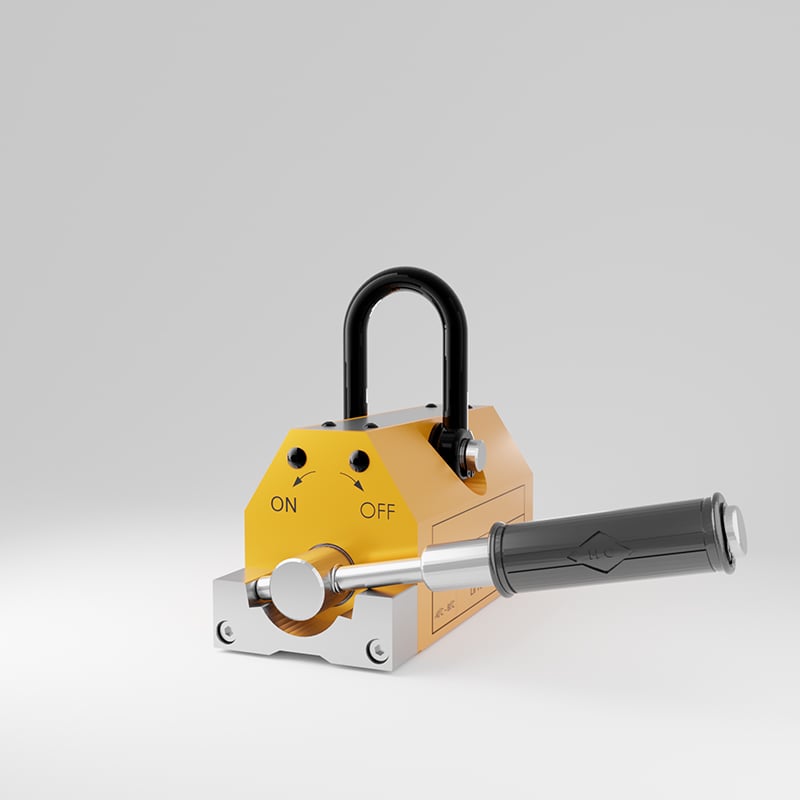
Magnetic shaft couplings are commonly used in many industries ranging from chemical processing, pharmaceuticals, water treatment and food manufacturing. They are frequently used in pumps, mixers and agitators to transmit torque or power without contaminating the chemical solutions or slurries being processed. Magnetic couplings may be fixed or variable and can use different magnet materials as needed for an application, including samarium cobalt (SmCo), nejson iron boron (neo) or ceramic magnets.
Magland puts great Magnetic shaft coupling technological advancement, collaborates partnership academic research institutions stay forefront technology magnetism. commitment ensures creation high-quality magnetic assemblies designed specific needs clients. requirements.
Magland massive workshop covers Magnetic shaft coupling square meters Magnetic shaft coupling more 300 pieces top-of-the-line processing equipment including robotics automated machines. infrastructure enables precise efficient manufacturing procedures, ensuring top quality products.
Magland maintains strict quality control measures Magnetic shaft coupling production process beginning screening raw material final inspection finished product. product subjected extensive testing, ensuring they satisfy technical environmental demands customers.
Magland provides Magnetic shaft coupling services based upon magnetic circuit simulation software. Magland specialization custom-designed magnetic solutions. product developed optimized meet particular requirements our customers. firm flexible accommodate requests custom. strives provide magnetic assemblies precisely line specifications customer.
Copyright © 2024 Shanghai Magland Magnetics Co., Ltd
 EN
EN
 AR
AR
 CS
CS
 DA
DA
 NL
NL
 FI
FI
 FR
FR
 DE
DE
 IT
IT
 JA
JA
 KO
KO
 NO
NO
 PL
PL
 PT
PT
 RO
RO
 RU
RU
 ES
ES
 SV
SV
 TL
TL
 ID
ID
 SK
SK
 UK
UK
 VI
VI
 ET
ET
 HU
HU
 TH
TH
 TR
TR
 AF
AF
 GA
GA
 XH
XH