
-
Floor 1-2, Building 4, No.1628 Lizheng Road, Lingang New Zone, Shanghai
Floor 1-2, Building 4, No.1628 Lizheng Road, Lingang New Zone, Shanghai

Home > Magnets > Transmit > PM-Coupling
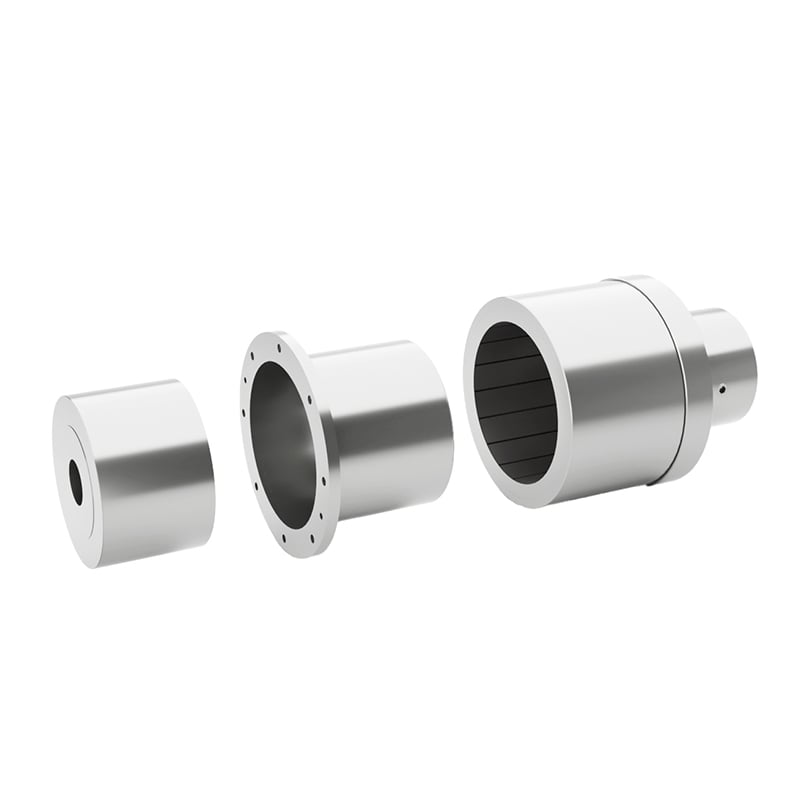
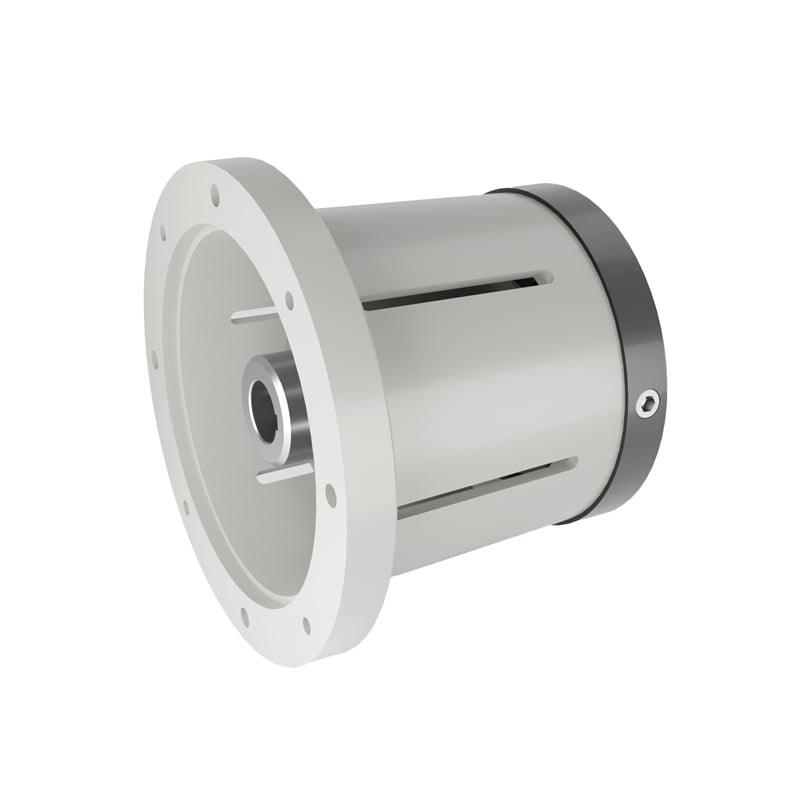
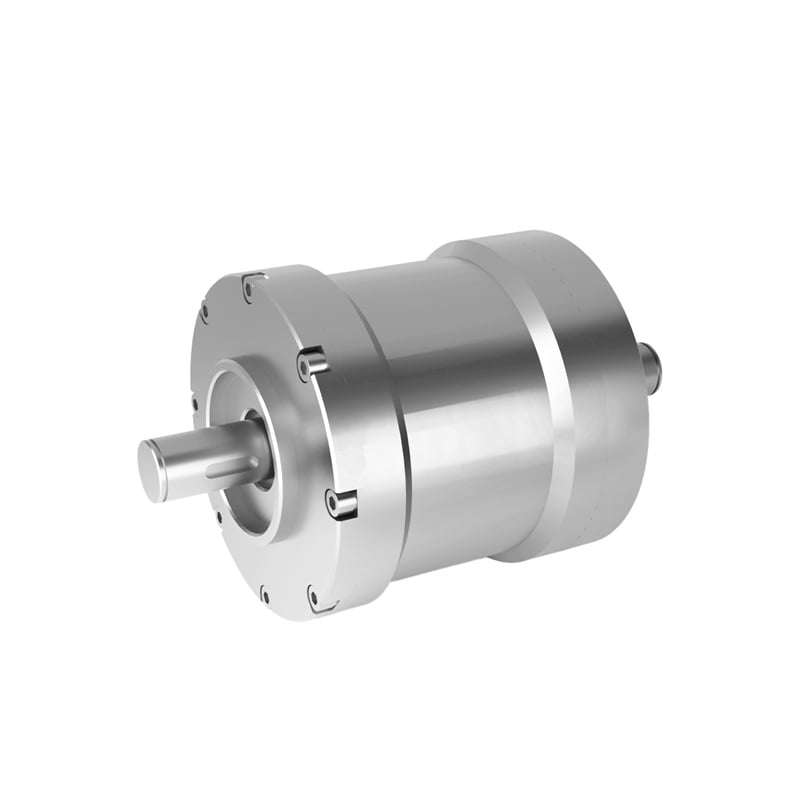
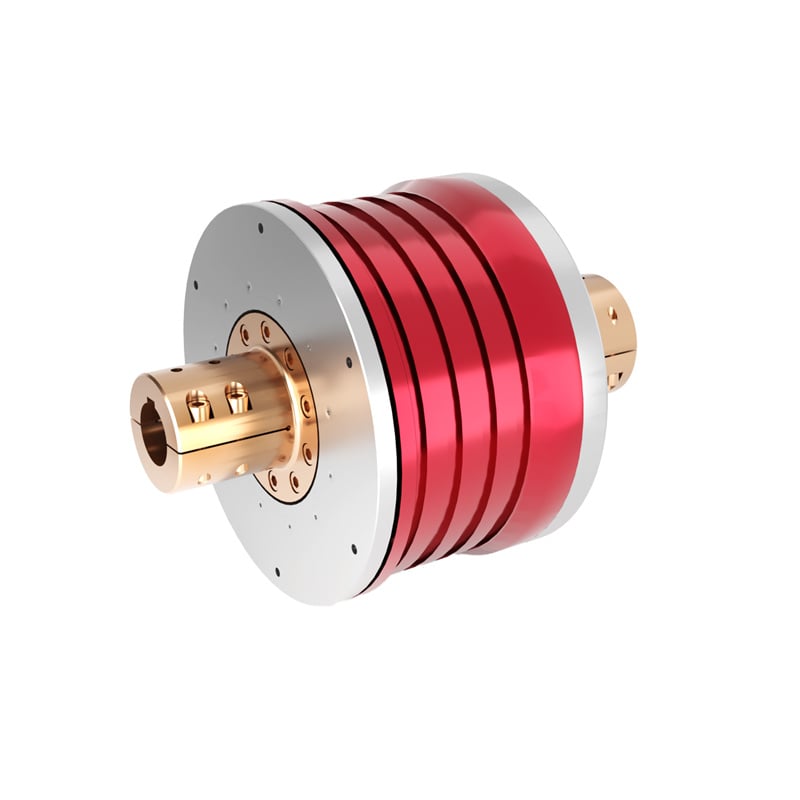
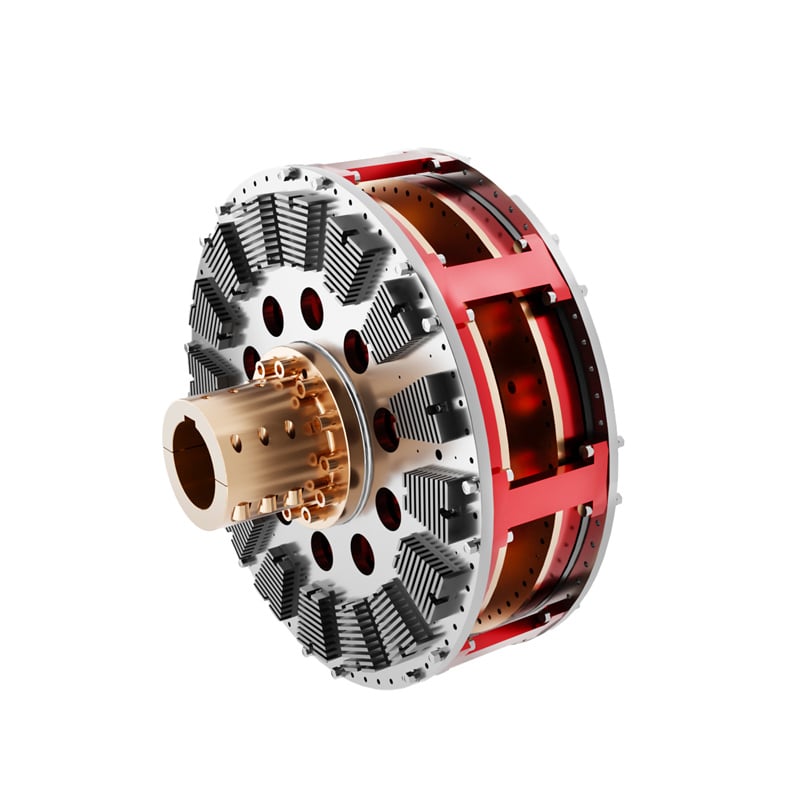
A magnetic coupling utilizes magnetic fields to transmit torque between a driving and a driven component without mechanical connection. This contactless design helps isolate environments and manage operational alignment in various industrial drive systems. We provide engineering support for technical selection, custom configurations, and application-specific adaptations. Connect with our technical team to discuss your project requirements, review technical documentation, or request a formal quotation.
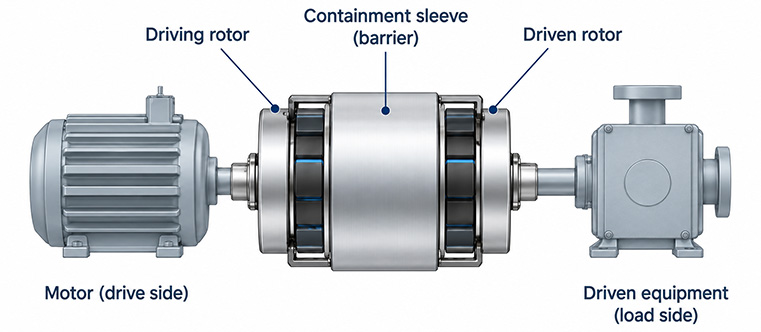
A magnetic coupling is a mechanical device that transmits torque between two rotating shafts using magnetic fields rather than direct physical contact. By eliminating mechanical connection, it allows power transmission across a physical barrier while keeping the driving and driven sides completely separated.
A standard magnetic coupling consists of an inner rotor, an outer rotor, and a containment shroud or separation sleeve that fits between them. When the driving shaft rotates the outer rotor, the magnetic forces engage the inner rotor to turn the driven shaft synchronously.
This contactless power transmission design is commonly used in pumps, mixers, and other industrial drive equipment where containment, alignment flexibility, or environmental isolation is required.
A magnetic coupling operates on the fundamental principle of magnetic attraction and repulsion to transmit torque between two shafts without physical contact. In general, industrial terms, magnetic power transmission involves aligning permanent magnets on opposite sides of a physical barrier. When the driving member rotates, its magnetic field interacts with the opposing magnets on the driven member, causing it to rotate synchronously.
While many standard industrial magnetic couplings utilize an outer driver rotor, an inner driven rotor, and a static containment shroud or separation sleeve to isolate fluids, the exact structural layout, magnet grade, and magnetic circuit design depend entirely on the specific configuration of the equipment.
To visualize this mechanism more clearly, we recommend including a technical diagram of the assembly highlighting the following components for verification:
To ensure accurate technical specifications for equipment manufacturers, engineers, and procurement teams, we require confirmed data regarding our available product lines. Please supply the authorized details for the following configuration parameters:
Once these details are provided, this section will be updated to outline our specific product configurations and custom design capabilities.
Our magnetic couplings are designed to accommodate diverse industrial requirements for torque transmission and structural flexibility. Based on confirmed product specifications, key features include:
Contact our technical team to discuss your operational conditions and verify exact configuration parameters for your project.
1.MOTOR FACTORS
| Motor Model: | D1 (Shaft Diameter): | mm | |
| Rated Power: | KW | B (Shaft Length): | mm |
| Rotational Speed: | Installation Method: | oB3 oB5 oB35 |
2.LOAD FACTORS
| Load Model: | D2 (Shaft Diameter): | mm | |
| Load Type: | C (Shaft Length): | mm |
3.OTHER DETAILS
| Working Pressure: | Mpa | Flange: | oYES oNO |
| Material Request: | Bell Housing: | oYES oNO | |
| Media Type: | Shaft/ Shaft Housing: | oYES oNO | |
| Work Temperature: | ℃ | Custom Shape: | oYES oNO |
| Torque: | Nm | Dynamic Balance: | oNO oG6.3 oG2.5 |
| Other Requirement: | |||
Magnetic couplings are designed to support heavy-duty drive systems across specialized processing environments. Confirmed applications include:
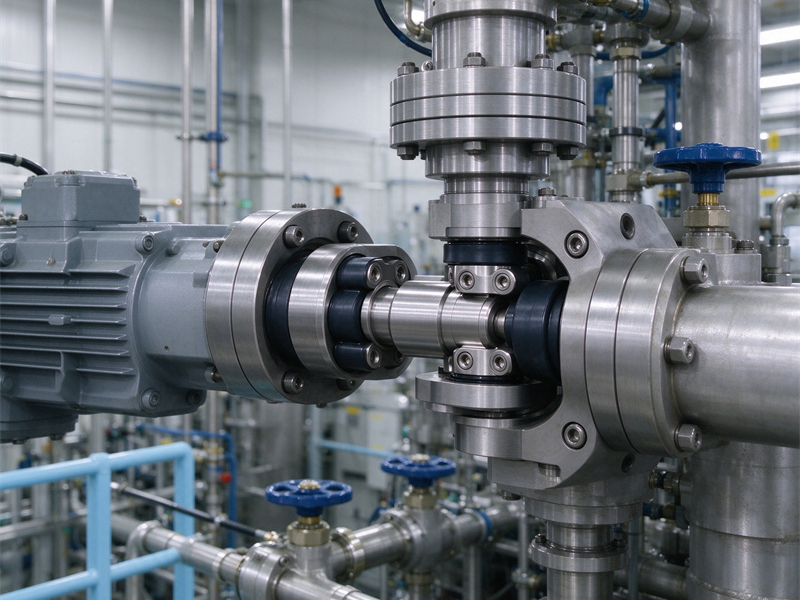
Provides non-contact torque transmission in high-pressure metering pumps and mixing heads, handling aggressive chemical components such as polyols and isocyanates while protecting drive systems from leakage risks.
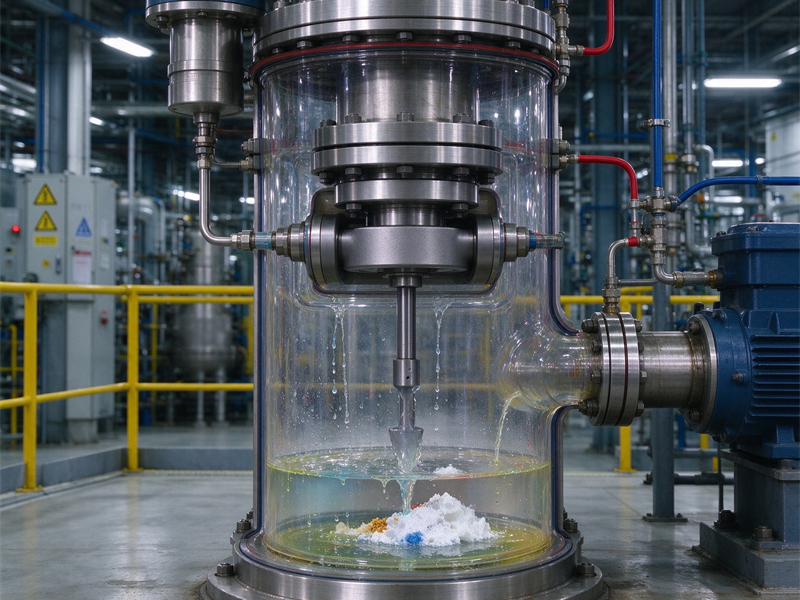
Integrates with mixers, agitators, and pumps to maintain isolation during the handling of corrosive reagents, solvents, and reactive compounds.
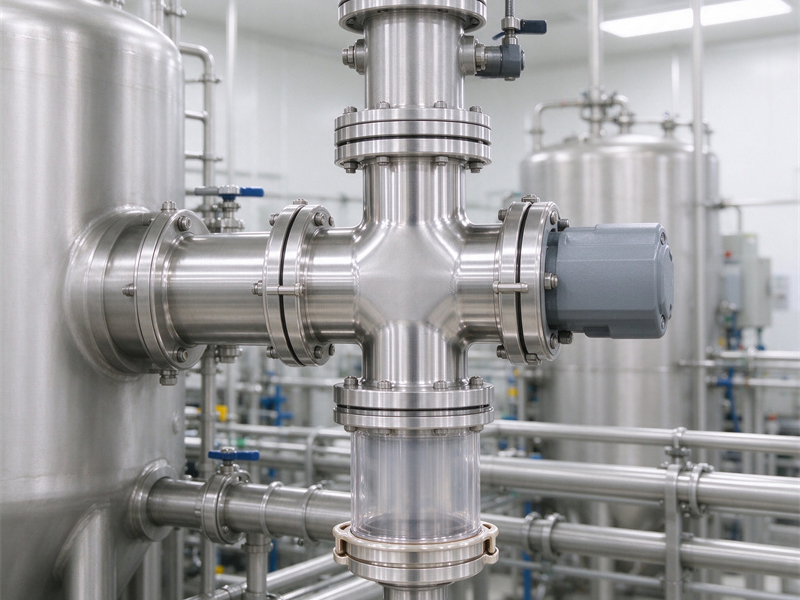
Drives mixing and blending machinery where product purity and sanitary isolation are required to prevent contamination between internal food-grade fluids and external drive mechanisms.
Because magnetic couplings operate without physical contact or surface friction, they deliver stable power transmission efficiency and significantly reduce long-term maintenance overhead. Beyond specialized chemical and food equipment, this technology serves as an effective, low-wear replacement for traditional gear drives and mechanical couplings across general industrial machinery, power transmission units, and custom manufacturing setups requiring enhanced operational reliability.
Our engineering team works directly with equipment manufacturers to review fluid characteristics, operational pressures, and mounting constraints to ensure proper sizing for your specific process equipment.
We work with equipment manufacturers and project engineers to deliver custom magnetic couplings tailored to specific drive requirements. Depending on your operational constraints, custom engineering options may include modified dimensions, torque ratings, shaft interfaces, and mounting configurations.
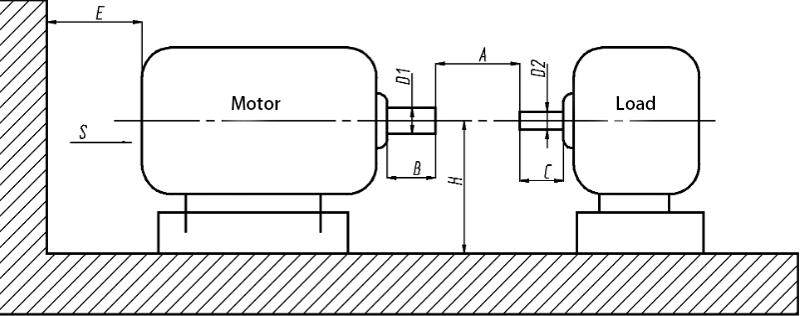
To help our technical team evaluate your application and provide an accurate quotation, please provide the following operational and dimensional details when submitting an inquiry:
· Target Torque & Speed: Required operational torque and maximum rotational speed.
· Operating Temperature: Normal working temperature range and peak thermal exposure limits.
· Hermetic & Sealing Requirements: Specified containment integrity, pressure limits, or leak-rate targets.
· Media & Chemical Exposure: Characteristics of the surrounding fluid, gas, or process materials (e.g., viscosity, corrosiveness).
· Shaft & Mounting Dimensions: Interface dimensions, keyway requirements, or flange connection standards.
· Envelope & Spatial Constraints: Maximum allowable overall dimensions and physical space limits.
· Engineering Documentation: Equipment drawings or technical specification sheets.
Determine both standard operating torque and maximum transient peak torque to ensure the magnetic coupling transmits power reliably without slipping.
Identify normal operating RPM, peak speed limits, and the frequency of start-stop cycles or directional shifts.
Measure driving and driven shaft sizes, keyway or flange specifications, and physical envelope constraints.
Define ambient and internal operating temperatures, fluid characteristics, chemical exposure, and containment requirements.
Gather assembly drawings, mounting schematics, or interface dimensions to verify physical compatibility.
Sharing these parameters with our technical team enables us to evaluate your specific operating conditions, review custom engineering options, and assist with your equipment sizing process.
What is a magnetic coupling used for?
A magnetic coupling is used to transmit torque between a driving and a driven shaft without direct physical contact. It isolates drive environments and manages operational alignment in industrial machinery, including polyurethane foaming equipment, chemical mixing systems, and food processing machinery.
How do I choose a magnetic coupling?
To select a magnetic coupling, evaluate your continuous and peak torque requirements, operating speed, shaft diameters, mounting space, working temperature, and media exposure. Submit your equipment interface drawings to our engineering team to verify component compatibility for your specific drive system.
Can a magnetic coupling be customized?
Yes. Custom engineering options can be provided based on your system requirements, including modified dimensions, torque ratings, shaft interfaces, and mounting configurations.
What information is needed for a quotation?
To request a quotation, provide target torque and speed, operating temperature, hermetic sealing requirements, media characteristics, shaft and mounting dimensions, space constraints, and equipment drawings. This information allows our technical team to assess your application and provide accurate pricing.
Can you provide technical drawings or product data?
Yes, once the requirement is confirmed, we can design the magnetic coupling for you. We’ll supply the technical drawings and data.
What operating conditions should I confirm before ordering?
Before ordering, confirm your normal and peak operating temperatures, surrounding media (viscosity, corrosiveness, or chemical composition), sealing or pressure requirements, continuous and peak torque loads, maximum rotational speed, and physical installation space available.
To receive pricing and technical guidance tailored to your project, submit your application details using the form below. Please include your required operating torque, speed, shaft interface dimensions, environmental conditions, and engineering drawings if available. Our technical team will review your parameters to evaluate an suitable magnetic coupling configuration for your system.


Copyright © 2024 Shanghai Magland Magnetics Co., Ltd
 EN
 AR
 CS
 DA
 NL
 FI
 FR
 DE
 IT
 JA
 KO
 NO
 PL
 PT
 RO
 RU
 ES
 SV
 TL
 ID
 SK
 UK
 VI
 ET
 HU
 TH
 TR
 AF
 GA
 XH


